What Your Business Exterior Says About Your Brand (And How to Make It Say the Right Thing)
You may have the cleanest showroom, friendliest employees, and best products around. But if your landscaping looks like it hasn’t been touched in three months, those potential customers are forming judgments long before they park.
People judge businesses based on their exteriors quickly – within the first few seconds. And your exterior maintenance communicates how you run your business behind closed doors. Overgrown hedging suggests you overlook details. Weeds poking through the cracks of the sidewalk infer you allow small irritations to snowball.
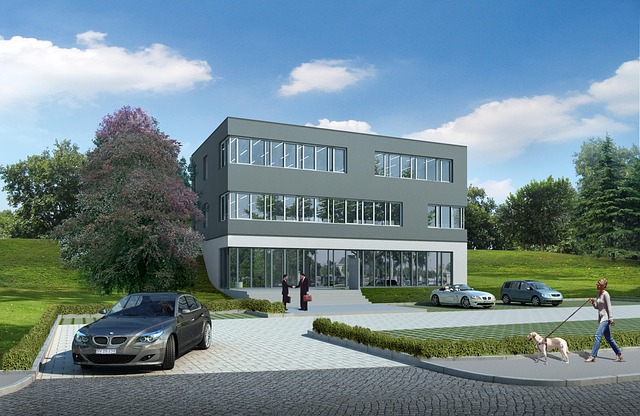
The Details They Notice (Even If They Don’t Realize It)
Approach your business like it’s the first time you’re seeing it, and what do you note?
Most people won’t actively say to themselves “those edges need a trim” or “that mulch looks old”, but it registers in their minds. They get an implicit sense of either cared for or neglected or maintained or overgrown.
Edges matter more than you’d think. The separation line between your grass and either the sidewalk, parking lot, or the foundation of the building – when it’s clean and crisp, everything else looks like it has purpose. When it gets muddy due to weeds or overgrown grass, the entire property looks fuzzy.
Overgrown bushes around signs are another offense. Your sign is the physical representation of your brand. If a person can barely see it because the bushes encroach or the grass is too tall, you’re hiding your identity. It suggests that either you’re not paying attention, or you simply don’t care.
Your entrance/exit area is the most important part that people will pay attention to – but what gets people is the inconsistency. If the entrance/exits are immaculate but the sides and back are running amok, this implies that “we only care how things look where people are paying attention.”
Why This Matters More For Some Businesses
Healthcare, legal, finance, child services – if you’re in a trust-inherent business arena, exterior maintenance means so much more. You’re conveying that you’re detail-oriented, more than likely experienced and trustworthy. A clean exterior reinforces those characteristics long before anyone sees the actual team behind it.
Retail and restaurants come with a different level of pressure. You need to grab attention quickly – if your exterior looks tired and old, people assume that so do your products or food. Fresh landscaping indicates fresh ideas and inventory, and something worth paying for.
Even if you exist in a warehouse or workshop where no one ever visits on a consumer level, it still matters – employees pay attention. Delivery crews pay attention. An exterior suggests how serious someone should take what’s happening inside.
The Quick Fixes That Make The Biggest Difference
You don’t need a landscaping crew or a high budget – you just need to be consistent with minor details that frame your building.
Edges matter. Clean separation lines between the grass and pavement make everything look purposeful. A battery weed eater takes care of that job within minutes and keeps walkways and lots looking nice without the noise of gas-powered equipment usually turning on mid-session during a conversation indoors.
Keep growth away from signs and your entrance. While this seems obvious, it’s easy to let shrubs grow higher or grass grow above average when it comes to literally telling people what your name is. This should be checked weekly – not monthly.
Tend to the awkward spots. Every property has them – that length along the fence line, behind the dumpster enclosure, between your building and a neighboring property’s length. When those areas get overgrown, it makes your whole property look as though no one cares.
Consistency is key versus perfection. An area that’s consistently mowed – with no super fresh perfection and edging – is more than acceptable. A lawn that gets mowed one week but is a jungle the next raises questions as to what else is inconsistent within your business.
The Timing Issue That Most Businesses Face
The problem is timing – landscaping doesn’t grow on a schedule; it needs attention during business hours since grass doesn’t know to stop growing until 5 pm or weekends.
But you can’t have loud machinery running while people try shopping or discussing matters with you. Gas-powered equipment makes noise that distracts from conversations and makes the establishment feel chaotic instead of professional.
This is where what equipment you use will reflect back onto your brand; quiet cutting and trimming equipment will allow you to maintain what’s necessary without making maintenance itself difficult on anyone else.
Smell counts, too. Gas fumes around your entrance are not welcoming; neither is the sight of filling cans and greasy equipment stored next to your building.
What Happens When You Let It Slide
It’s easy to forget landscaping; one week of neglecting trimming doesn’t look so bad. Two weeks shows signs. By month three, you’ve accumulated a level of overgrowth that requires substantial time to fix.
But brand perception slides much faster than physical overgrowth occurs. Those same distracted customers drive down the street, see overgrowth at your entrance and pass you by without giving you a second chance.
The longer you allow exterior maintenance to slide, the more expensive it gets – to remediate both in real time and value lost from customers who passed you by without ever getting a chance to appreciate what you were doing inside.
Making Maintenance Manageable
It’s important to note that there’s no expectation for perfection – just consistency and purpose. From an outsider’s perspective, it should be obvious that someone cares about how things look.
Schedule weekly checks – even if they only take 15 minutes – and approach with fresh eyes. Handle quick fixes – those edges, entrance areas, visible overgrowth – and do not let small problems sit until they become giant problems.
Make life as easy as possible for yourself; if maintenance tools are cumbersome – which require dragging out large machines, mixing fuel, dealing with pull-cords that don’t work – you probably won’t want to do it.
Consider seasons as well; spring growth is aggressive – extra attention will be required. Summer is keeping up with what’s established; fall changes what needs focus once leaves start falling and other outside debris enters a person’s sphere.
The ROI No One Quantifies
Sure, you can’t quantify how many customers chose your establishment because your landscaping looked well-kept – and you also can’t quantify how many drove by because it didn’t – but it’s clear when you see establishments that people take care of versus ones that people don’t give a second thought.
Cared for properties garner positive attention – employees feel better working there; customers feel more confident doing business with someone who takes care of everything.
Whether you want your exterior to represent your brand doesn’t matter; it’s going to do so regardless; why not make sure it supports what you’re striving for instead of undermining all your hard work?
Business owners fail to realize just how much their landscaping matters toward perception. Instead, they focus on interiors, customer service training, product quality – they’re all fair assessments – but if no one gives you a chance because they think you have an ugly exterior, then they’ll never see all your hard work beyond the doors.
Exterior maintenance isn’t challenging – it needs to happen consistently. Edges should be nice, growth controlled and entrance areas welcoming. The property should support what’s going on behind closed doors instead of undermining any potential success that’s happening with everything else you’ve been working hard for.
Your exterior is talking – make sure it says what you want it to say!